Your Estate Plan Is a Tool Kit for the Unexpected
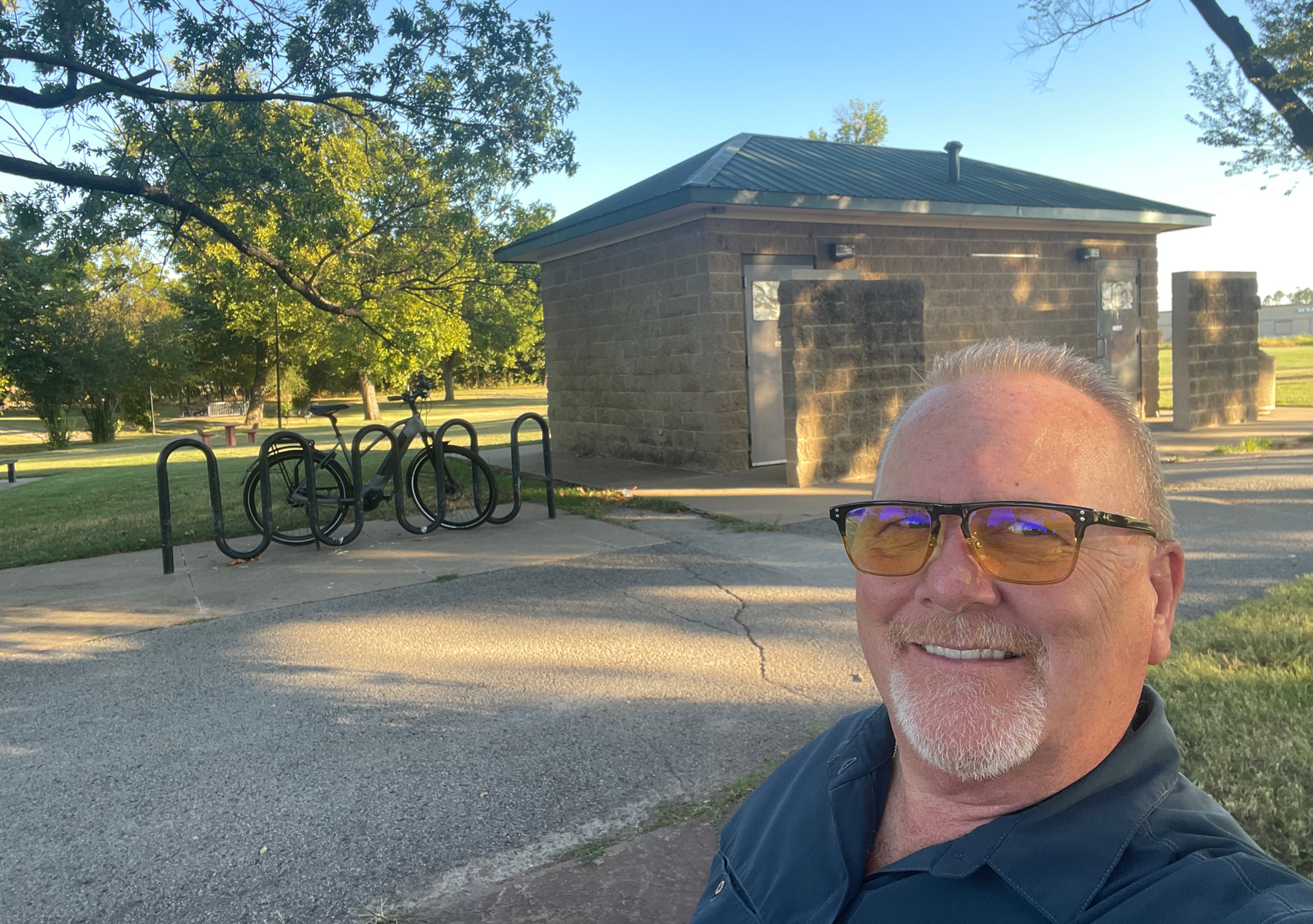
There is nothing like getting a flat tire on the trail and realizing that I did not bring my tools with my bicycle. So here I am after pushing my bike a half mile to the closest parking lot next to the park, as I sat waiting for my neighbor to come rescue me! I had to admit it: the former Boy Scout and Assistant Scout Master was unprepared.
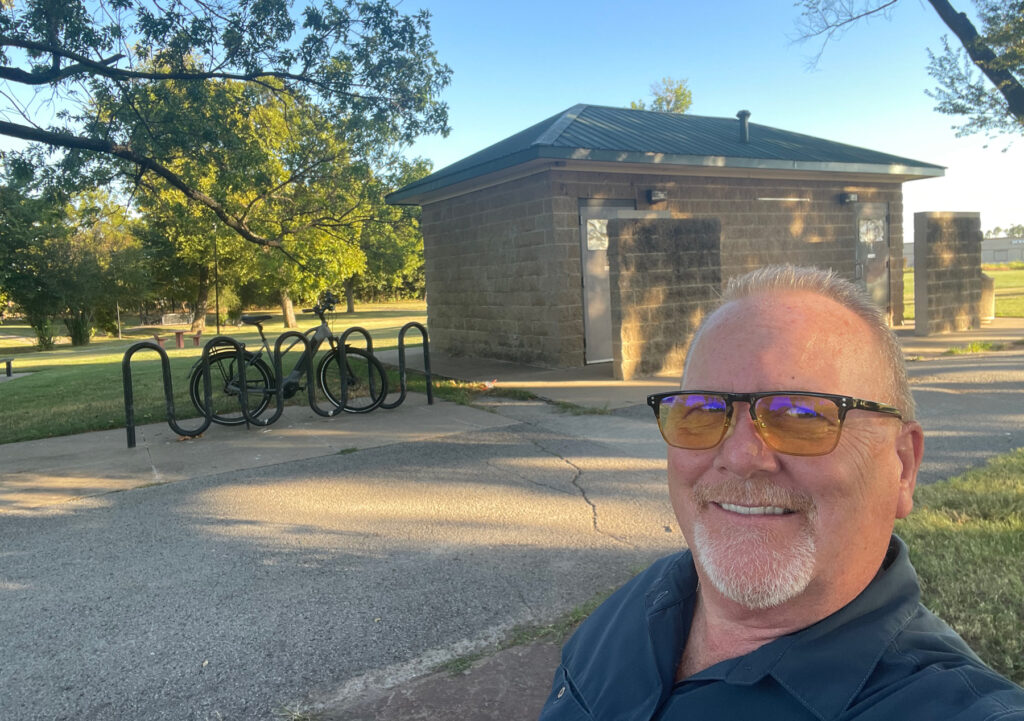
Fortunately, a flat tire is not a life-changing emergency. But it was a good reminder that the unexpected has a way of arriving when we least expect it. Just like needing crowdfunding for a crisis, sitting at a rest stop next to a bathroom on the trail isn’t the most ideal place to be on the trail.
A bicycle tool kit and an estate plan have something important in common: both prepare us for problems we know will eventually happen, so our friends and family do not have to carry the burden alone. Estate planning is not about expecting the worst. It is about giving the people we love the tools and direction they may need if an accident, serious illness, incapacity, or death occurs. Its about getting us back closer to an ideal situation.
The Tool Kit: Documents That Help When Life Changes
A Durable Power of Attorney: Help With Financial and Legal Matters
An accident or illness can leave a person unable to manage everyday financial and legal responsibilities, even temporarily. A durable power of attorney lets you name a trusted person to act for you within the authority you give them. That may include handling bills, communicating with financial institutions, managing property, or addressing other financial matters.
Without clear authority in place, the people closest to you may be left trying to figure out who can help and what steps they must take before urgent matters can be handled.
A Health Care Power of Attorney: A Voice When You Cannot Speak for Yourself
A health care power of attorney names the person you trust to make health-care decisions if you cannot communicate or make those decisions yourself. An unexpected crash, stroke, or medical emergency can place families in a difficult position quickly. Naming a health-care decision-maker ahead of time helps reduce uncertainty and gives medical providers a person who can speak for you.
This document is not about taking control away from you. It is about making sure the right person can step in if you cannot speak for yourself.
An Advance Health Care Directive: Guidance for End-of-Life Choices
A living will or other advance health care directive records your wishes about end-of-life medical choices. It can address the care you want—or do not want—if you are facing a terminal condition or persistent unconsciousness and cannot communicate your choices.
This guidance can be a tremendous gift to family members. Instead of asking them to guess what you would have wanted during an emotional and stressful time, you give them a written expression of your wishes. Your health-care agent and your doctors can then use that guidance in making decisions.
A Will: Directions After Death
A will speaks after death. It allows you to state who should receive property that passes through your estate, nominate a guardian for minor children, and identify the person you want to manage the estate administration process.
A will cannot prevent grief, but it can give loved ones clear directions and reduce avoidable questions and conflict at an already hard time.
A Trust: A Plan for Managing and Transferring Assets
For families whose circumstances call for one, a trust can provide a framework for holding, managing, and distributing assets. A trust may help with ongoing management if you become unable to manage assets, and it can set instructions for how and when beneficiaries receive property after death.
A trust is not necessary for every person or family. But when it fits the plan, it is another tool that can make administration easier and provide more detailed instructions for the people you leave behind.
Beneficiary Designations and Account Information: Do Not Leave Loose Parts Behind
Life insurance, retirement accounts, and certain financial accounts may pass under beneficiary designations. Those designations should be reviewed along with the rest of the estate plan, especially after marriage, divorce, births, deaths, or other major life changes.
It also helps to keep a practical record of key accounts, insurance information, digital access instructions, and the location of your estate-planning documents. The best tool kit does little good if no one knows where it is when the need arises.
Preparation Is an Act of Care
I eventually got home because my neighbor was willing to come to the rescue. I am grateful for that help. Still, I would have preferred to have had the right tools with me and kept a small problem from becoming someone else’s responsibility.
That is the heart of estate planning. No document can eliminate an emergency or make an end-of-life event easy. But a thoughtful plan can give your family direction, authority, and reassurance when they need it most.
If you have not put your tool kit together, now is a good time to start. If you already have an estate plan, take a moment to ask whether it still reflects your family, your assets, the people you trust, and your wishes.
For Oklahoma information and advance-directive resources, visit the Oklahoma State Department of Health’s Advance Directives page.
This article provides general educational information only. It is not legal or medical advice, does not create an attorney-client relationship, and should not be relied upon as a substitute for advice about your individual circumstances. Estate-planning and health-care documents should be reviewed with qualified professionals and updated as laws and personal circumstances change.